

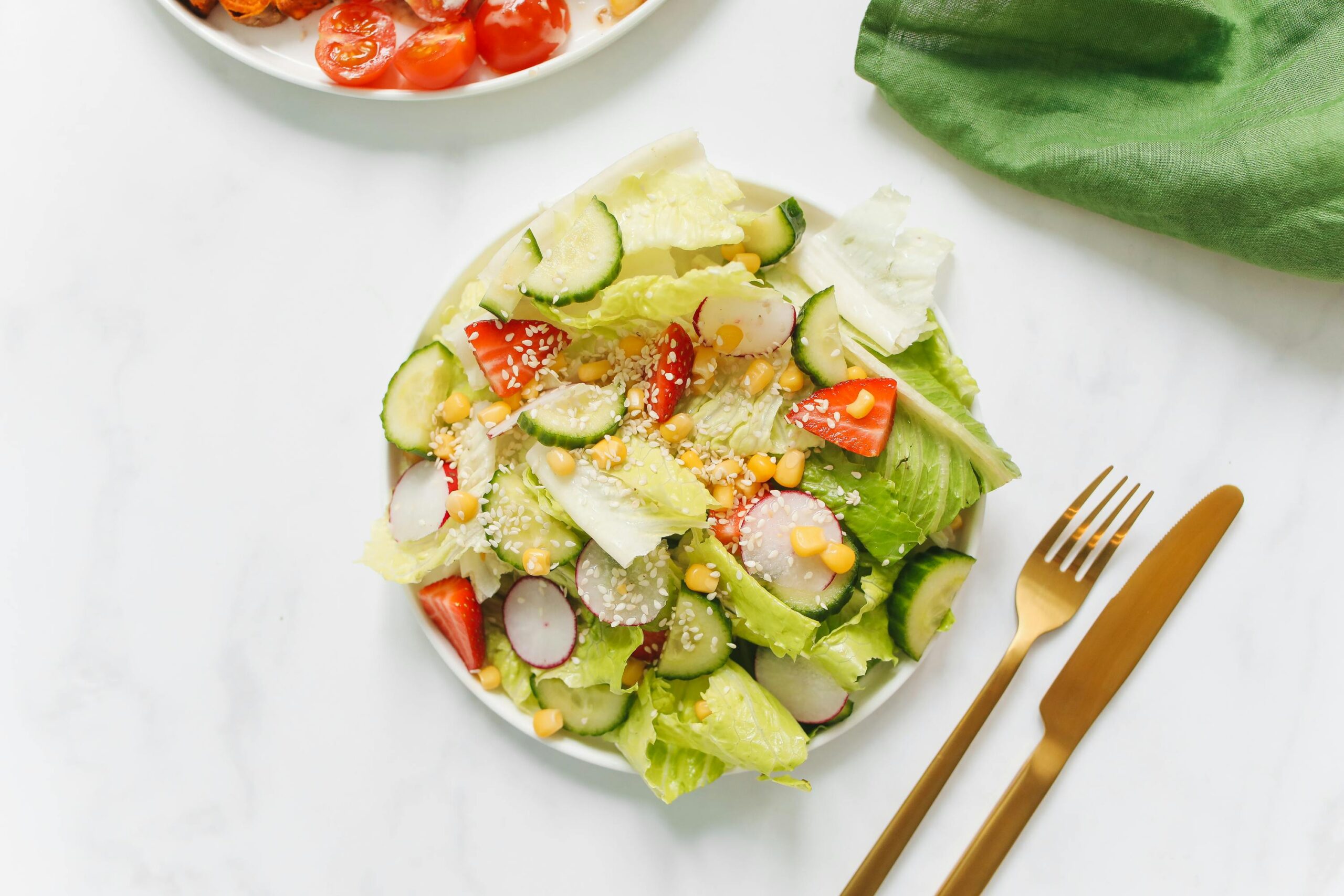
Introduction: Food Should Bring Joy — Not Stress
One of the most common conversations I have with patients — whether they come from Perth, Smiths Falls, Carleton Place, Westport, or any part of Lanark County — is about eating. Food is a major part of life here. From family dinners to community events, potlucks, holiday gatherings, and everything in between, meals bring people together.
But when someone transitions to dentures, eating can suddenly feel unfamiliar, frustrating, or even embarrassing. Many people worry they’ll never enjoy their favourite foods again — whether it’s roast beef, fresh vegetables, homemade bread, or Christmas dinner.
Here’s the truth I share with every patient:
With the right fit, the right guidance, and some patience, you can enjoy almost everything you love again.
In today’s blog, I want to walk you through how I help patients across our region eat comfortably and confidently with dentures — whether they’ve worn dentures for years or are just getting started.
1. The First Few Weeks: Why Eating Feels Different at First
When patients first receive dentures, one of the biggest surprises is how different it feels to chew. I always explain that dentures don’t replace the natural “root” system of teeth — instead, they rest on top of the gums. That means your mouth needs time to retrain itself.
During the adjustment phase, people often notice:
- Food feels less stable
- Chewing feels awkward
- Certain foods are harder to manage
- They bite their cheeks more often
- Their bite feels different from before
These experiences are completely normal.
No matter where someone is from — Lanark Highlands, Rideau Lakes, Balderson, or Maberly — everyone goes through this early learning period.
My advice is always the same:
Start slow, stay patient, and expect improvement every single day.
2. The Best Foods to Start With (And Why They Work)
When you’re getting used to new dentures, I always recommend starting with foods that are:
- Soft
- Moist
- Easy to chew
- Not sticky
- Not crunchy
Great starter foods include:
- Scrambled eggs
- Mashed potatoes
- Soft cooked vegetables
- Ground meats
- Tuna or salmon salad
- Oatmeal
- Yogurt
- Steamed fish
- Banana or melon
Foods like these help your muscles adapt to the new chewing pattern without overwhelming your gums.
I often remind patients from Perth and the surrounding townships:
“You’re not on a permanent soft diet — this is just your training period.”
3. Technique Matters: How You Chew with Dentures Is Different
It’s not just what you eat — it’s how you eat.
Here are my top chewing techniques for new denture wearers:
1. Cut food into smaller pieces
This makes chewing easier and reduces pressure on your gums.
2. Chew slowly and evenly
Try to chew on both sides of your mouth at the same time. This helps stabilize your denture and prevents rocking.
3. Avoid biting with your front denture teeth
Front teeth are for smiling — not chewing. Biting hard foods with them can make dentures pop loose.
4. Take your time
Don’t rush meals. Relax your jaw and chew thoughtfully until you feel comfortable and in control.
People often return to tell me how quickly their confidence improves once they practice these techniques.
4. Common Foods That Cause Trouble — And How We Work Through Them
There are a few foods that are just naturally more challenging with dentures. I see this often with patients across Perth, Smiths Falls, Carleton Place, and nearby communities.
Foods that typically cause trouble:
- Hard raw vegetables (carrots, apples)
- Tough meats (steak, pork chops)
- Sticky candies
- Chewing gum
- Hard crusts
- Nuts and seeds
- Corn on the cob
These foods aren’t off-limits forever — but they shouldn’t be your first choice during adjustment.
How I help you reintroduce them
As your comfort grows, I teach you how to safely enjoy:
- Apples (sliced thin, not bitten)
- Steaks (cut into small pieces and chewed slowly)
- Sandwiches (using softer bread)
- Vegetables (steamed or roasted)
- Corn (cut off the cob)
It’s all about technique, patience, and proper fit.
5. Why Fit Affects Eating More Than Anything
Your denture’s fit plays a huge role in your eating comfort. A denture that’s even slightly loose can make harder foods extremely difficult to manage.
Signs your denture fit is affecting your eating:
- You avoid certain foods
- Your denture lifts when chewing
- Food gets trapped underneath
- Chewing feels unbalanced
- One side feels more stable than the other
I see this especially with patients who haven’t had a denture adjustment in years.
What I do to help
I may recommend:
- A reline
- A rebase
- Bite adjustment
- Polishing
- Creating a new denture if the old one is too worn
Even a small adjustment can make a dramatic difference at the dinner table.
6. Eating Out in Perth, Carleton Place or Smiths Falls: Tips for Confidence
Many people tell me they avoid eating out with dentures because they’re afraid of slipping, clicking, or discomfort.
Here are the tips I always share:
✔️ Choose foods that are easier to manage
Soups, pasta dishes, soft cooked meats, roasted vegetables — all great choices.
✔️ Avoid very crunchy appetizers
Skip the crusty bread, raw veggie plates, or hard nachos at first.
✔️ Take small bites
You’ll feel more in control.
✔️ Don’t rush
Savor your meal and enjoy the experience.
✔️ Bring water
A sip here and there can help with dry mouth and denture stability.
Patients often come back to tell me:
“I finally went out for dinner in Perth — and it went perfectly!”
7. Holidays & Family Gatherings in Lanark County: Enjoy the Food Again
December is full of food-based celebrations. Whether you’re visiting family in Smiths Falls, attending a holiday potluck in Carleton Place, or enjoying a winter gathering in Westport, I want your dentures to support the moment — not distract from it.
Here are the foods I recommend during holiday meals:
Easier options:
- Turkey with gravy
- Mashed vegetables
- Stuffing
- Soft desserts
- Cooked carrots, squash, or beans
- Shepherd’s pie
- Slow-cooked roasts
Foods to approach carefully:
- Hard shortbread
- Nuts or brittle
- Hard-crusted breads
- Raw crunchy vegetables
- Very sticky sweets
With the right choices, you can enjoy every gathering fully and confidently.
8. Dry Mouth and Eating: A Hidden Problem for Denture Wearers
Cold weather, certain medications, and aging can all cause dry mouth — a condition that makes eating significantly harder.
Dry mouth reduces:
- Natural suction
- Denture stability
- Comfort during chewing
- Taste perception
How I help you manage it
I recommend:
- Staying hydrated
- Using saliva-moisturizing products
- Avoiding alcohol-based mouthwashes
- Drinking warm teas or water
- Breathing through your nose when possible
Hydration can absolutely transform how your dentures feel while eating.
9. Emotional Confidence at the Table Matters Too
One thing I’ve learned over the years is that eating with dentures isn’t just a physical process — it’s an emotional one too.
People worry about:
- Slipping
- Food getting stuck
- Speaking while eating
- Being embarrassed at family dinners
- Smiling in group photos
As your denturist, part of my job is helping you rebuild that confidence. Once your denture fits well and you understand how to manage meals, that confidence comes back — fully and naturally.
10. My Commitment to You: Eating Should Be Enjoyable Again
Whether you’re new to dentures or have been wearing them for decades, my goal is always the same:
I want you to enjoy food again — comfortably, confidently, and without stress.
I work closely with patients across Perth and surrounding communities to ensure their dentures:
- Fit securely
- Feel comfortable
- Support proper chewing
- Allow natural speech
- Look beautiful and natural
When you can enjoy your favourite foods again, you regain a huge part of your daily happiness.
Conclusion: You Deserve to Eat Without Fear or Frustration
Food should bring joy — not discomfort. And with the right professional support, personalized adjustments, and a little practice, dentures can allow you to eat confidently anywhere — whether you’re dining in Perth, visiting family in Carleton Place, or celebrating the holidays in Smiths Falls.
Eating well is part of living well — and I’m here to help you every step of the way.
Call to Action
If eating has become uncomfortable or challenging with your dentures, let me help.
📞 Call Perth Denture Clinic today at (613) 264-5452
📧 Email me at limadentures@gmail.com
Together, we’ll make sure your dentures support your meals, your comfort, and your confidence — every single day.