
Introduction: Adjusting to New Dentures Takes Time — And I’m Here to Guide You Through It
Whenever someone walks into my clinic here in Perth, Ontario to receive their new dentures, I always reassure them of one important truth:
You’re not supposed to just “figure it out” alone.
Adjusting to new dentures is a journey — one that involves physical, emotional, and lifestyle changes. And it’s my job to support you through every step.
Whether you’re brand new to dentures, transitioning from partials to full dentures, or replacing an older set you’ve worn for years, the adjustment phase is natural. With proper guidance, the right techniques, and regular support, you can look forward to a comfortable, confident, and fully restored smile.
In this blog, I’m sharing exactly how I help patients across Perth, Lanark County, Smiths Falls, Carleton Place, Westport, and our surrounding rural communities adapt to their new dentures — one step at a time.
1. The First Conversation: Setting Realistic Expectations
One of the most important parts of adjusting to new dentures happens even before you wear them — during our first conversations.
I always share:
- Dentures will feel “new” at first
- Your mouth will need time to adapt
- Speech may change temporarily
- Eating will require practice
- Soreness is normal — but shouldn’t last
- Regular follow-ups are part of the process
This open, honest discussion helps you feel prepared — not overwhelmed.
Patients from Perth often tell me: “I’m glad you explained everything. It makes the process feel manageable.”
2. The First Fitting: Ensuring Comfort and Stability
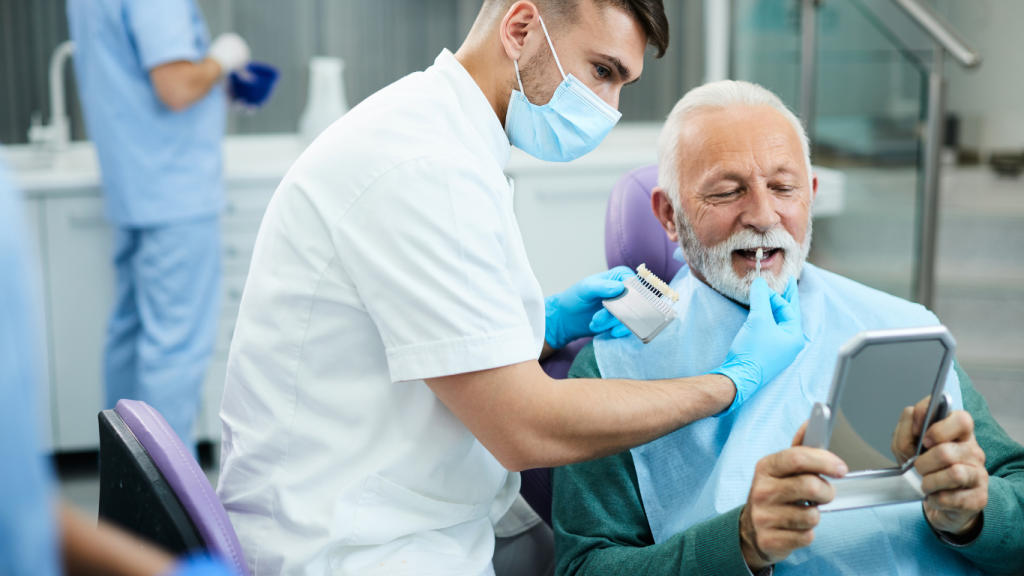
When you receive your new dentures, I take the time to carefully check:
- Overall fit
- Stability during movement
- Bite alignment
- Pressure distribution
- Lip support and facial appearance
- Natural aesthetic balance
I encourage you to talk, smile, swallow, and breathe normally so I can identify any immediate areas needing adjustment.
Patients from Smiths Falls, Carleton Place, and Lanark Highlands often express how much more natural their new dentures feel after these initial refinements.
3. The First 24–48 Hours: Getting Used to the Feel
Wearing new dentures can feel strange at first — even if they fit perfectly.
You may notice:
- Increased saliva
- Mild soreness
- Slight speech changes
- A sense of fullness in the mouth
- A new chewing pattern
These sensations are temporary. Your mouth and muscles are simply adapting.
I always give new denture wearers a personalized care sheet and walk them through what to expect during the first two days — and how to manage it comfortably.
4. Eating Again: How I Coach Patients Through the First Meals
Learning to eat with new dentures is one of the biggest adjustments — especially for long-time denture wearers who are used to an older fit.
Here’s the eating plan I give to patients across Perth, Westport, Carleton Place, and beyond:
Start with soft foods:
- Eggs
- Mashed potatoes
- Soup
- Oatmeal
- Steamed vegetables
- Fish
- Tender ground meats
Chew slowly and evenly
Use both sides of your mouth at the same time to stabilize the denture.
Avoid biting with your front teeth
This prevents your denture from lifting.
Stay patient
Within a few weeks, you’ll return to many of your favourite foods — even holiday meals and comfort foods that matter in our community.
5. Speaking Clearly: The First Few Days of Adaptation
It’s very common to notice speech changes, especially when pronouncing “s,” “f,” or “th” sounds.
Here’s what I teach patients:
✔️ Practice reading aloud
Your tongue and lips need time to retrain their movement patterns.
✔️ Speak slower at first
This allows your facial muscles to coordinate with your new dentures.
✔️ Stay hydrated
A dry mouth makes speaking more difficult — especially during winter months here in Perth and Lanark County.
Most people regain natural speech within one to two weeks.
6. Soreness or Pressure Spots: Why Follow-Ups Matter
Even perfectly made dentures may need fine-tuning once you wear them at home. Your gums may develop small pressure points as they adjust.
I always tell patients:
- Do NOT “tough it out”
- Do NOT use adhesive to mask discomfort
- Do NOT wait weeks to call me
A quick adjustment takes minutes and provides instant relief.
I see many people from Rideau Lakes, Maberly, Toledo, Balderson, and other nearby areas who say:
“I thought I had to live with the soreness — I didn’t realize how easy the fix was!”
My goal is to eliminate discomfort quickly and make the adaptation period smooth.
7. Why Gum & Bone Changes Matter
Even after your dentures settle, your mouth continues to change — especially during the first six months.
Natural changes include:
- Gradual gum reshaping
- Bone resorption
- A shift in how the denture sits
This is why new denture wearers often require several adjustments during the first few months.
And it’s why I emphasize the importance of professional support — especially in rural areas like Lanark County, where getting to a clinician can involve travel time.
You deserve reliable denture care close to home.
8. Building Confidence: Emotional Support Matters Too
Adjusting to new dentures isn’t just a physical process — it’s emotional.
Here’s what I’ve learned working with residents across Perth and surrounding communities:
People often feel:
- Self-conscious
- Nervous about speaking
- Unsure about eating in public
- Worried about smiling in photos
- Concerned about how they sound
That’s where reassurance, guidance, and support make all the difference.
Once fit, comfort, and technique all merge, confidence naturally returns and your smile does too.
9. Long-Term Success: Keeping Your New Dentures Comfortable for Years
I teach every patient a long-term plan to maintain comfort and oral health:
Daily:
- Brush dentures
- Clean gums, tongue, and palate
- Rinse after meals
- Soak overnight
Every 6–12 months:
- Professional check-ups
- Relines if needed
- Bite evaluation
- Polishing
Every 5–8 years:
- Replacement dentures to match gum and bone changes
This structured approach works incredibly well for my patients in Perth, Carleton Place, Smiths Falls, and all Lanark County communities.
10. My Promise: You Will Not Have to Adjust Alone
When you get new dentures, you’re never “sent home to figure it out.”
I provide ongoing support, follow-ups, adjustments, and coaching because your comfort and confidence matter to me.
Serving our close-knit region means I build long-term relationships with patients from Perth to Westport to Carleton Place — and I take that responsibility seriously.
Conclusion: Adjusting to New Dentures Takes Guidance — And I’m Here Every Step of the Way
Every patient I meet has a unique story but they all want the same thing: comfortable, natural, reliable dentures that let them live confidently again.
Whether you’re new to dentures, replacing an old set, or finally addressing discomfort you’ve lived with for years, you deserve personalized care and professional support.
And that’s exactly what I’m here to provide.
Call to Action
If you’re adjusting to new dentures or planning to get them soon, I’d love to help make the transition smooth and comfortable.
📞 Call Perth Denture Clinic at (613) 264-5452
📧 Email me at limadentures@gmail.com
Let’s make sure your new dentures feel natural and help you smile proudly again.