

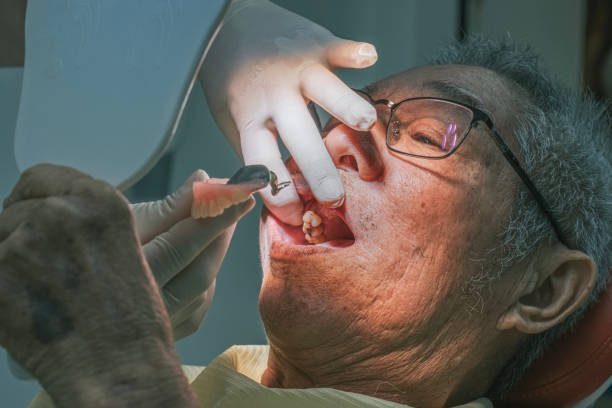
Denture stomatitis is a common, and often subtle, condition among seniors. Characterized by redness and inflammation beneath the denture, it frequently stems from poor hygiene or continuous wear WikipediaDental Health. If you’re searching for denture stomatitis Perth or denture care near me, this guide offers clear, practical steps to help maintain a healthy mouth and enjoy comfort wearing dentures.
What Exactly Is Denture Stomatitis?
Denture-related stomatitis is a form of fungal inflammation, mostly involving Candida albicans—affecting the oral tissues under a denture. It’s especially prevalent in upper denture wearers and those who leave their dentures in overnight Wikipedia. With proper care, it’s both preventable and treatable.
Effective Hygiene Practices to Prevent Stomatitis
1. Brush and Soak Daily
Clean your dentures both mechanically and chemically every day. Rinse off food debris, brush with a soft-bristle brush and non-abrasive denture cleanser, and soak in a denture cleaning solution. This daily routine helps prevent harmful bacteria and fungi buildup.
2. Always Clean Dentures Outside the Mouth
Denture cleansers are for use outside the mouth only. Clean dentures should be thoroughly rinsed before reinserting to avoid ingestion of chemical residues.
3. Never Wear Dentures Overnight
Keep your dentures out overnight. This gives your gums breathing time, reduces Candida growth, and lowers the risk of pneumonia among seniors.
4. Sterilize and Store Properly
Store dentures in clean water or a recommended soaking solution when not worn. Extended soaking in strong bleach solutions can damage parts or surfaces—stick to manufacturer instructions.
5. Be Gentle—Avoid Abrasive Cleaners
Abrasion damage from toothpaste, baking soda, or household cleansers can roughen denture surfaces, creating more spaces for microbes to colonize.
6. Clean Your Mouth, Too
After removing dentures, gently brush your gums, tongue, and palate with a soft toothbrush, plus remove any residual adhesive. This step supports overall oral health.
7. Avoid Smoking & Maintain Regular Check-Ups
Smoking increases the risk of stomatitis. Combine healthy habits with routine check-ups to catch early signs of irritation or fit-related issues.
8. Replace or Adjust Poorly Fitting Dentures
Ill-fitting dentures create friction and irritation. Be proactive about relines or replacements, especially if using more adhesive than usual.
Quick Reference Table
| Hygiene Step | Action Taken |
|---|---|
| Brush & soak daily | Rinse, brush (soft bristle + cleanser), soak overnight |
| Clean dentures outside the mouth | Rinse thoroughly before reinserting |
| Remove at night | Gives gum tissue a chance to rest and stay healthy |
| Avoid abrasive cleaners | Use only denture-specific cleansers |
| Clean oral tissues too | Gums, tongue, palate cleaned gently; remove adhesive |
| No smoking; regular clinic visits | Reduces risk of infection and catches issues early |
| Assess fit | Schedule relines or replacements as needed |
When to See Your Denturist
If you notice persistent redness, burning, bad breath, or soreness under your denture, especially after practicing great hygiene, it’s time to schedule a visit. Perth Denture Clinic evaluates fit, offers professional cleaning, and prescribes antifungal treatments when needed.
Conclusion
Denture stomatitis doesn’t have to be part of wearing dentures, especially for seniors in Perth, ON. With simple habits like brushing, soaking, overnight removal, and regular check-ups, you can significantly reduce your risk. If you’ve been searching for “how to clean dentures” or “denture care near me”, these practices are your roadmap to oral comfort and a healthy smile.
Need help improving care or worried about symptoms?
Contact Perth Denture Clinic to book a consultation today, because healthy gums make confident smiles possible.