

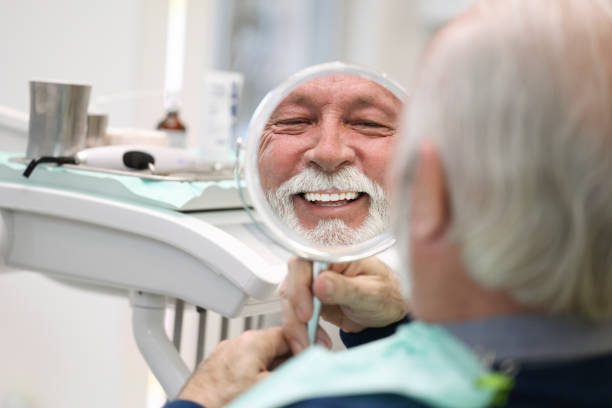
By Perth Denture Clinic — Serving Perth, Smiths Falls, Carleton Place, Westport & Surrounding Lanark County Communities
Introduction: Confidence Starts with Stability
At Perth Denture Clinic, we regularly speak with patients across Perth, Ontario, and throughout Lanark County who describe a subtle but important shift in their daily confidence when their dentures no longer feel as stable as they once did.
Patients from Smiths Falls, Carleton Place, Westport, and surrounding communities often say that while their dentures may not be painful, they feel less secure — and that small change can impact everyday life more than expected.
Denture stability is not just about comfort. It plays a central role in how patients eat, speak, and interact socially. Understanding this connection helps patients recognize when professional care can make a meaningful difference.
What Denture Stability Really Means
Denture stability refers to how well dentures stay in place during normal activities. Properly stable dentures should:
- Remain secure while chewing
- Stay balanced during speaking
- Feel natural throughout the day
- Require minimal adjustment or awareness
When dentures lose stability, patients often become more conscious of them — even if discomfort is not severe.
Why Stability Changes Over Time
One of the most common questions we hear from patients in Lanark County is why dentures that once fit perfectly begin to feel different.
The primary reason is natural change in the mouth.
Over time:
- The jawbone gradually shrinks
- Gum tissue reshapes
- Bite alignment shifts
- Denture surfaces experience wear
Because dentures sit on living tissue, these changes affect how they fit and function.
The Subtle Loss of Stability
Denture instability often develops gradually. Patients may not notice a dramatic change at first but instead experience small differences such as:
- Slight movement during meals
- A feeling of looseness
- Increased awareness when speaking
- The need to adjust dentures more frequently
These subtle changes can build over time, affecting daily comfort and confidence.
Eating with Confidence
Eating is one of the most important functions supported by dentures. When stability is compromised, chewing can become more challenging.
Patients may experience:
- Difficulty biting into certain foods
- Uneven pressure during chewing
- Movement that makes eating feel unpredictable
As a result, some patients begin avoiding certain foods, which can impact nutrition and enjoyment of meals.
Speaking Naturally and Clearly
Speech depends on the precise interaction between the tongue, lips, and teeth. When dentures are stable, this coordination feels natural.
When stability declines, patients may notice:
- Slight changes in pronunciation
- Dentures shifting during conversation
- Increased awareness while speaking
Even minor speech changes can affect confidence in social settings.
Social Confidence and Everyday Interaction
Denture stability plays a significant role in how patients feel in social situations.
When dentures feel secure, patients are more likely to:
- Smile freely
- Speak confidently
- Participate in conversations
- Feel comfortable in public settings
When stability is reduced, even slightly, patients may become more cautious or self-aware.
Why Adhesive Is Not a Complete Solution
Many patients turn to adhesive when dentures begin to feel less stable. While adhesive can provide temporary support, it does not address the root cause of instability.
Increased reliance on adhesive often indicates:
- Changes in gum shape
- Loss of suction
- The need for professional evaluation
Long-term stability comes from proper fit, not temporary solutions.
Denture Relines Restore Stability
Relines are one of the most effective ways to restore denture stability.
By updating the interior surface of the denture to match the current shape of the gums, relines:
- Improve suction
- Reduce movement
- Restore balance
- Enhance comfort
Patients in Perth, Smiths Falls, and Westport often experience immediate improvements after a reline.
Adjustments That Improve Fit
In some cases, small adjustments can significantly improve stability.
These refinements help:
- Eliminate pressure points
- Improve alignment
- Reduce minor movement
Even minor corrections can restore a sense of security and comfort.
When Replacement Becomes Necessary
Over time, dentures may reach a point where relines and adjustments are no longer sufficient.
Replacement may be recommended when:
- Denture teeth are significantly worn
- Bite alignment has changed
- The denture base no longer fits properly
- Structural wear is present
New dentures provide a fresh, stable foundation for long-term comfort and confidence.
Preventive Care Supports Long-Term Stability
Routine denture checkups allow us to monitor changes and address them early.
Preventive care helps:
- Maintain proper fit
- Preserve suction
- Prevent instability
- Extend denture lifespan
Patients who attend regular evaluations often experience fewer disruptions and greater long-term satisfaction.
Supporting Patients Across Perth and Lanark County
We are proud to provide denture care for patients throughout Perth, Smiths Falls, Carleton Place, Westport, and surrounding rural communities.
Local access to professional care allows patients to address stability concerns quickly and maintain confidence in their dentures.
Conclusion: Stability Supports Confidence Every Day
Denture stability is a key factor in maintaining comfort, function, and confidence. When dentures feel secure, patients can go about their daily lives without hesitation.
If stability begins to change, early attention can restore both comfort and confidence.
Call to Action
If your dentures feel less stable than they once did, we are here to help.
📞 Call Perth Denture Clinic at (613) 264-5452
📧 Email limadentures@gmail.com
We proudly serve Perth and Lanark County with professional denture care focused on restoring stability, comfort, and confidence.