

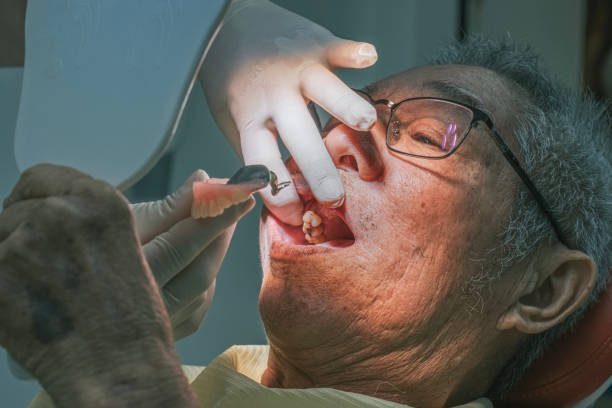
Introduction: Winter Has a Way of Exposing Denture Issues
Every January, I notice a pattern. Patients from Perth, Smiths Falls, Carleton Place, Westport, and surrounding rural communities start calling my clinic with concerns they didn’t notice — or didn’t feel — earlier in the year.
They say things like:
- “My dentures feel looser than they did before.”
- “My gums are sore all of a sudden.”
- “Eating feels harder in the winter.”
- “My mouth feels dry and uncomfortable.”
- “My dentures just don’t feel right anymore.”
This isn’t a coincidence.
Winter has a way of exposing denture problems that were already developing — and January is when many people finally realize something needs attention. In this blog, I want to explain why winter affects dentures, what problems it often reveals, and how I help patients across Lanark County restore comfort quickly and effectively.
Why Cold Weather Changes How Dentures Feel
Dentures rely on a delicate balance between fit, gum health, saliva, and suction. Winter disrupts that balance in several ways.
1. Dry Air = Dry Mouth
Cold outdoor air combined with indoor heating significantly reduces moisture in the mouth. Saliva plays a major role in denture comfort and suction, especially for upper dentures.
When saliva decreases:
- Dentures feel looser
- Friction increases
- Gums become irritated
- Speaking and eating feel less natural
This is one of the most common January complaints I hear from patients in Perth and Lanark County.
2. Gums Become More Sensitive in Winter
Cold weather can increase tissue sensitivity, especially in people who already have thinner or aging gum tissue.
This can make:
- Pressure points more noticeable
- Previously tolerable dentures suddenly uncomfortable
- Chewing feel tiring or sore
Even a well-made denture may need a small winter adjustment to remain comfortable.
3. Denture Acrylic Reacts to Temperature Changes
Denture materials expand and contract slightly with temperature changes. While the changes are subtle, they can be enough to:
- Reduce suction
- Cause minor shifting
- Create clicking or movement during speech
In January, these small changes become much more noticeable.
Common Denture Problems That Show Up in January
Over the years, I’ve noticed that winter reveals the same types of denture issues again and again. Here are the most common ones I see in my Perth clinic every January.
Loose Dentures
Many patients tell me their dentures felt “okay” in the fall, but now they’re slipping when eating or talking.
This usually means:
- Gum shrinkage has progressed
- The denture needs a reline
- The fit is no longer matching the current shape of the mouth
Loose dentures are not something you should ignore — they almost always get worse if left unaddressed.
Sore Spots and Gum Irritation
Dryness and sensitivity make pressure points more noticeable in winter.
Patients often experience:
- Redness
- Tender spots
- Burning sensations
- Pain when chewing
These issues are usually easy to fix with a small adjustment once identified.
Difficulty Eating Comfort Foods
Winter foods tend to be:
- Heavier
- Denser
- Tougher
- More filling
Roasts, breads, and comfort meals can be harder to manage if dentures are loose or worn.
When patients from Carleton Place, Smiths Falls, or Westport tell me they’re avoiding certain foods, it’s often a sign their denture needs attention.
Increased Reliance on Adhesive
If you suddenly find yourself using more adhesive in January than you did before, that’s a clear signal your denture fit has changed.
Adhesive should never be a long-term solution for poor fit. It’s meant as temporary support — not a replacement for professional care.
How I Identify the Root Cause of Winter Denture Problems
When someone comes to me with winter-related denture discomfort, I take a careful, step-by-step approach.
First, I listen
I want to know:
- When the discomfort started
- What has changed
- Whether it’s worse in the morning or evening
- Which activities trigger discomfort
Then, I examine
I check:
- Gum health
- Fit and suction
- Pressure points
- Bite alignment
- Denture wear
- Acrylic condition
Finally, I evaluate function
I observe how the denture behaves when you:
- Speak
- Swallow
- Chew
- Smile
This allows me to pinpoint exactly what’s causing the winter discomfort.
Simple Solutions That Often Fix Winter Denture Issues
The good news is that winter denture problems are usually very fixable. In many cases, the solution is straightforward.
Minor Adjustments
Small refinements can:
- Remove pressure points
- Improve comfort immediately
- Reduce friction
- Restore balance
Many patients feel relief the same day.
Relines
Relines are one of the most effective winter solutions. They restore the seal between the denture and gums, improving:
- Suction
- Stability
- Comfort
- Confidence
Relines are especially helpful for patients who have worn the same dentures for several years.
Bite Corrections
If the bite has shifted, I can rebalance it so chewing feels even and natural again. This reduces jaw fatigue and gum soreness.
New Dentures (When Necessary)
If a denture is too old or worn to be corrected, replacing it can completely transform winter comfort. New dentures restore:
- Proper bite height
- Facial support
- Stability
- Natural function
For many patients, this is the moment they realize how much discomfort they had been living with.
Why January Is the Best Time to Fix Denture Issues
January is actually an ideal time to address denture problems because:
- Issues are fresh and noticeable
- Schedules are often more flexible
- Winter highlights problems clearly
- Early fixes prevent worsening discomfort
Patients often tell me they’re relieved they didn’t wait until spring.
My Commitment to Comfort Through Every Season
Living and working in Lanark County, I understand the seasonal challenges our patients face. Cold winters, dry indoor air, and comfort foods all affect denture wear — and I plan care accordingly.
My goal is not just to help you “get through” winter, but to help you stay comfortable, confident, and pain-free year-round.
Conclusion: If Winter Has Made Your Dentures Uncomfortable, Don’t Ignore It
If your dentures suddenly feel different this winter, it’s not in your head — and it’s not something you need to tolerate.
Winter often reveals problems that were already developing, and January is the perfect time to address them before they worsen.
Comfort is always possible with the right professional care.
Call to Action
If winter has made your dentures feel loose, sore, or uncomfortable, I’m here to help.
📞 Call Perth Denture Clinic at (613) 264-5452
📧 Email me at limadentures@gmail.com
Let’s make sure your dentures feel comfortable, no matter how cold it gets outside.