

Introduction: Restoring Your Smile, Your Way
Losing one tooth — or all of them — can affect not only your appearance but also your ability to eat, speak, and smile confidently. Thankfully, dentures offer a reliable, natural-looking solution.
But with several types available, many patients ask: What’s the difference between partial and full dentures, and which one is right for me?
At Perth Denture Clinic, we design both full and partial dentures tailored to each patient’s individual needs, ensuring comfort, function, and a beautiful smile. This guide breaks down everything you need to know so you can make an informed choice.
1. Understanding the Basics
What Are Full Dentures?
Full dentures (also called complete dentures) replace all the teeth in your upper or lower jaw — or both. They rest directly on your gums and are custom-molded for a secure fit.
They’re ideal for patients who have lost all teeth due to gum disease, decay, or injury. Modern materials make them lightweight, natural-looking, and comfortable for daily wear.
What Are Partial Dentures?
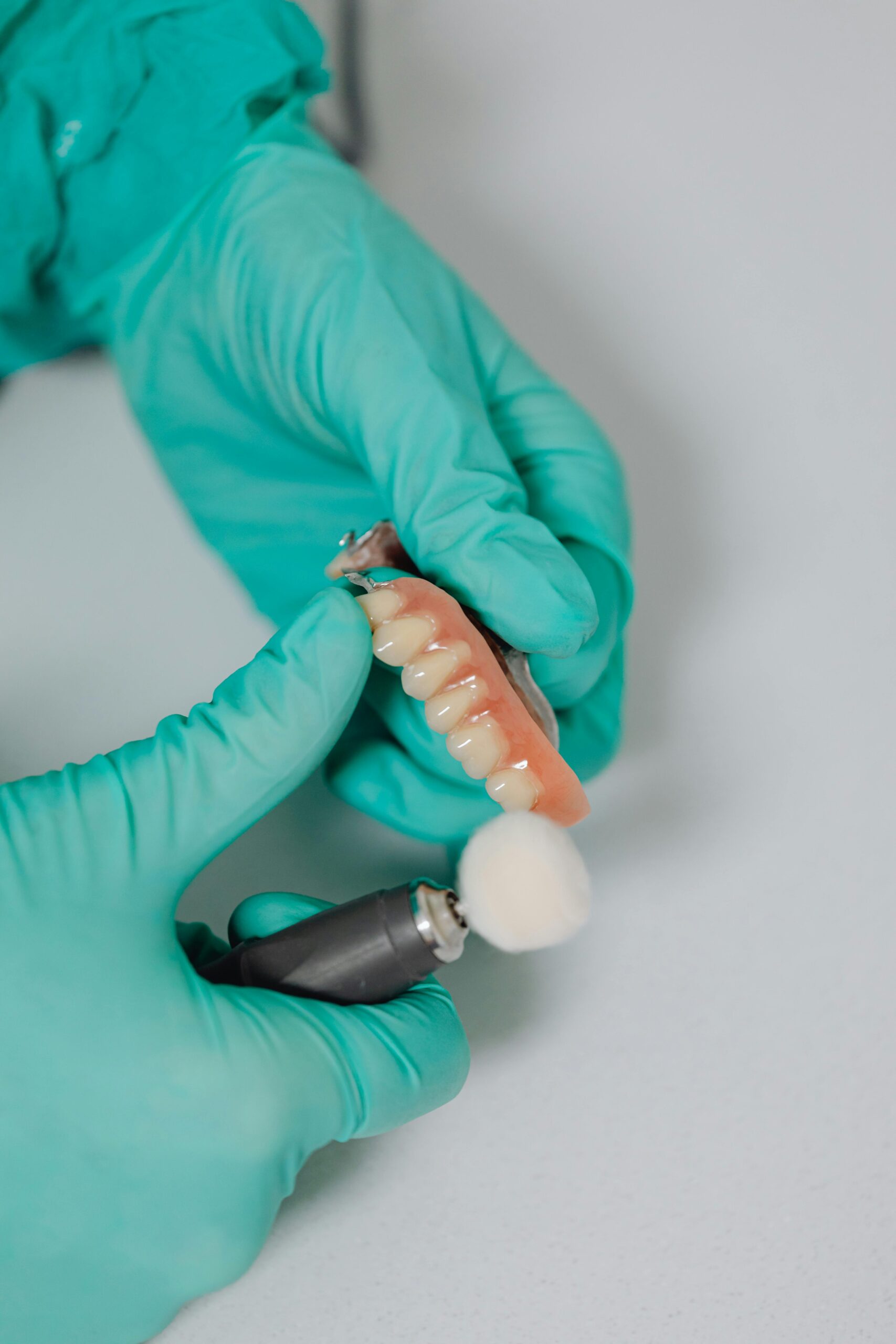
Partial dentures are used when you still have some healthy natural teeth remaining. They fill in the gaps created by missing teeth, restoring both function and appearance.
Partials usually include a gum-colored base with replacement teeth, attached using small clasps or precision attachments that blend seamlessly with your natural smile.
2. The Benefits of Each Option
Both full and partial dentures have advantages — the key is understanding which best fits your dental condition, lifestyle, and goals.
Advantages of Full Dentures
- Complete Restoration: Ideal for replacing all missing teeth at once.
- Enhanced Confidence: Provides a balanced, natural smile and facial support.
- Improved Chewing & Speech: Modern designs restore much of your natural function.
- Aesthetic Customization: Each set is designed to match your facial shape, lip support, and desired tooth shade.
- Cost-Effective: Full dentures are often more affordable than multiple dental restorations.
Advantages of Partial Dentures
- Preserves Natural Teeth: Keeps your remaining teeth intact while filling the gaps.
- Prevents Shifting: Stops adjacent teeth from moving into empty spaces.
- Easy to Adjust or Repair: Smaller and easier to modify over time.
- Strong and Stable: Anchored to existing teeth for added security.
- Flexible Options: Can be made from metal, acrylic, or flexible materials depending on your needs.
3. A Closer Look: Full Dentures
Design & Fit
Full dentures are crafted using precise impressions of your mouth to ensure comfort and stability. The upper denture often includes a suction fit against the roof of your mouth, while the lower rests comfortably along the gum ridge.
Wearing Experience
Modern full dentures feel much lighter and more natural than older models. With proper fit and care, they stay in place without discomfort.
Care Routine
- Clean daily with a soft denture brush and non-abrasive cleanser.
- Soak overnight to maintain shape and freshness.
- Schedule regular check-ups to maintain fit as gums and bone structure change.
When to Choose Full Dentures
- You’ve lost all teeth in one or both arches.
- Your remaining teeth are beyond repair.
- You want a complete smile restoration that balances aesthetics and function.
4. A Closer Look: Partial Dentures
Design & Fit
Partial dentures fit snugly around your remaining natural teeth. They use small, discreet clasps or precision attachments for support and stability. The replacement teeth are carefully matched to your natural ones for a seamless appearance.
Wearing Experience
Because partials rely on existing teeth, they often feel very secure once fitted properly. They’re lightweight and easy to remove for cleaning and sleeping.
Care Routine
- Remove nightly to rest your gums and clean thoroughly.
- Brush your natural teeth and denture daily.
- Have clasps checked regularly to ensure they remain snug and comfortable.
When to Choose Partial Dentures
- You still have several healthy teeth.
- You want to prevent neighboring teeth from shifting.
- You prefer a smaller, removable restoration instead of a full arch replacement.
5. Material Options: Acrylic, Metal, and Flexible Dentures
Dentures come in several material types, each with its own advantages:
| Material | Best For | Benefits |
|---|---|---|
| Acrylic | Full dentures | Lightweight, cost-effective, natural gum color |
| Metal (Cobalt-Chrome) | Partial dentures | Thin, strong, precise fit |
| Flexible Resin | Partial dentures | Soft, comfortable, blends naturally with gums |
Your denturist will recommend the best material based on your anatomy, lifestyle, and comfort preferences.
6. Common Concerns and Questions
Will My Dentures Feel Bulky?
Initially, any denture can feel a little strange — but with modern, thin designs and proper adjustment, that feeling fades within days or weeks.
Can I Eat Normally?
Yes! After a short adjustment period, most patients eat nearly all their favorite foods. Start with soft foods and work up to firmer textures as confidence grows.
Will People Notice I’m Wearing Dentures?
Modern dentures are customized for natural appearance. Tooth color, shape, and gum tone are designed to match your features perfectly — ensuring a seamless look.
How Long Will They Last?
With proper care, both full and partial dentures can last between 5–8 years, depending on changes in your mouth and daily maintenance.
7. The Role of Fit and Comfort
A comfortable fit is essential for both full and partial dentures. Over time, your gums and bone can shift, altering the fit. Regular relines or adjustments ensure continued stability and comfort.
Signs You May Need an Adjustment:
- Sore spots or irritation
- Difficulty chewing or speaking
- Clicking or slipping
- Food getting trapped underneath
At Perth Denture Clinic, we perform precision relines and refittings to restore comfort quickly.
8. Comparing Appearance and Aesthetics
Both full and partial dentures are designed with natural-looking materials that mimic tooth enamel and gum tissue. The main difference lies in how they blend with your existing smile:
- Full dentures replace every tooth, offering a fresh, complete aesthetic.
- Partial dentures blend replacement teeth seamlessly among your natural ones.
Your denturist will help choose the shade, shape, and alignment that suits your face and complexion perfectly.
9. Cost and Longevity Considerations
Full dentures generally cost less upfront than multiple partial replacements, but partials can be a more economical choice if you still have several healthy teeth to support them.
Both types offer excellent long-term value, especially when maintained with proper care and annual professional cleanings.
10. The Importance of Professional Guidance
Choosing between full and partial dentures isn’t a one-size-fits-all decision. Every mouth is different — from bone structure and gum health to lifestyle and personal goals.
At Perth Denture Clinic, we assess your oral health, discuss your expectations, and help you make an informed decision that balances comfort, durability, and aesthetics. Whether you need full or partial dentures, we’ll craft them with precision and care.
Conclusion: Your Smile, Your Choice
Whether you need full dentures to restore a complete smile or partial dentures to fill specific gaps, both options can bring back your comfort, confidence, and function. The best choice depends on your unique oral health, lifestyle, and personal preferences.
With expert design, precise fit, and ongoing care, dentures can look and feel completely natural, giving you the freedom to smile, eat, and live life to the fullest.
Call to Action
Not sure whether full or partial dentures are right for you?
📞 Call Perth Denture Clinic today at (613) 264-5452 or email limadentures@gmail.com to schedule your personal consultation.
Our compassionate team will assess your needs and guide you toward the best solution, because every smile deserves the perfect fit.